The Future of Warehousing and Logistics: How Technology Is Transforming

The Future of Warehousing and Logistics

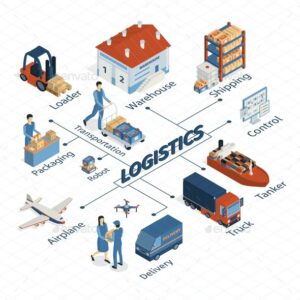
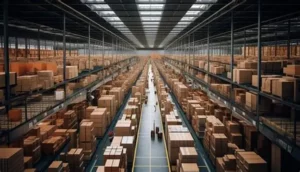
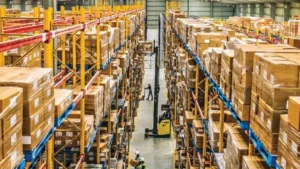
The future of warehousing and logistics is changing fast. Technology is transforming supply chains by making operations smarter, faster, and more accurate. Companies that adopt these new tools early gain a strong competitive edge through better performance and improved customer satisfaction.

Warehousing & Logistics

Automation and Robotics

Automation plays a major role in the future of warehousing and logistics. Today, robots pick, sort, and move products with high accuracy. As a result, daily tasks are completed faster and with fewer mistakes. Automated storage and retrieval systems also save warehouse space and reduce operating costs. Moreover, automation helps teams focus on more important work instead of manual, repetitive tasks.

Data and Real-Time Visibility

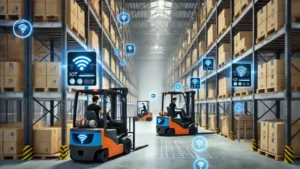
Another key part of the future of warehousing and logistics is real-time data. IoT devices, sensors, and tracking tools monitor inventory from storage to final delivery. With this visibility, managers can quickly respond to delays, demand changes, or stock issues. Additionally, data dashboards support faster decision-making and improve overall supply chain performance.

Warehousing & Logistics

Sustainability and Green Logistics

Sustainability is becoming essential in the future of warehousing. Many companies now use electric forklifts, solar-powered warehouses, and eco-friendly packaging. These green practices reduce carbon footprints and lower energy costs. In addition, sustainable operations help businesses build trust with clients who prefer environmentally responsible partners.

Stronger Partnerships

The future of warehousing and logistics also depends on stronger partnerships. When warehouses, transport companies, and clients work together, the supply chain becomes more efficient. Sharing data, forecasts, and goals leads to smoother operations, fewer delays, and better planning. Therefore, collaboration is now a key driver of a reliable and flexible supply chain.

Warehousing & Logistics

Conclusion

The future of warehousing and logistics is smart, connected, and technology-driven. Automation, real-time data, and sustainable solutions are creating new opportunities for growth. Companies that embrace these changes will not only stay competitive but also deliver faster, more accurate, and more reliable service.

Future of Warehousing and Logistics Build Strong Partnerships

The future of warehousing and logistics is changing fast. It is now shaped by technology, efficiency, and teamwork. At Akash Storage, we believe strong partnerships with our clients help us grow together. As supply chains become smarter, trust and flexibility become even more important for long-term success.

Future of Warehousing

Embracing Technology Through Collaboration

Automation, AI, and IoT are transforming how goods are stored and moved. However, technology works best when businesses and storage partners work together. By understanding client needs and using digital tools, Akash Storage ensures smooth, accurate, and cost-efficient operations.

Future of Warehousing

Sustainability and Shared Responsibility

Today, warehouses must follow eco-friendly and responsible practices. Through strong partnerships, we help clients choose greener storage and packaging solutions. As a result, we reduce carbon footprints while maintaining high performance.

Future of Warehousing

Empowering Businesses with Flexibility

Because the market changes quickly, flexibility matters more than ever. Akash Storage offers scalable storage solutions that support seasonal needs and business growth. By staying connected with our clients, we can plan ahead and offer the agility modern supply chains need.

Conclusion

In the future, warehousing will be more collaborative, digital, and sustainable. Through strong partnerships, Akash Storage helps businesses stay ready for new challenges, follow new trends, and grow with confidence.

Building Strong Partnerships: The Future of Warehousing and Logistics

Introduction

In today’s rapidly evolving supply chain world, Building Strong Partnerships is no longer optional — it’s essential. The future of warehousing and logistics depends on collaboration, trust, and shared growth between service providers and clients. As technology, automation, and customer expectations transform the industry, companies that focus on long-term partnerships will lead the way.

Building Strong Partnerships

The Shift Toward Collaborative Warehousing

The modern logistics landscape is driven by agility and transparency. Building Strong Partnerships enables warehouses to align with clients’ evolving needs and deliver tailored solutions. Through regular communication, shared performance metrics, and joint problem-solving, both sides can respond quickly to demand fluctuations, seasonal surges, and supply chain challenges.

Building Strong Partnerships

Technology as a Catalyst for Partnership

Digital transformation plays a vital role in Building Strong Partnerships. From real-time inventory tracking to AI-driven forecasting, technology bridges the gap between warehouses and clients. Data sharing fosters trust and efficiency, allowing each stakeholder to make informed decisions that improve turnaround time and reduce costs.

Sustainability and Shared Responsibility

In an era focused on green logistics, Building Strong Partnerships also means working together to achieve sustainability goals. Clients and service providers can collaborate on optimizing routes, reducing packaging waste, and adopting eco-friendly storage solutions — strengthening both environmental and business performance.

Building Strong Partnerships

Conclusion

The future of warehousing and logistics lies in Building Strong Partnerships that prioritize transparency, technology, and trust. When warehouses and clients work together as true partners, they create a resilient, efficient, and sustainable supply chain — ready to meet the challenges of tomorrow.

Turning Peak Season Challenges into Growth Opportunities

Every challenge is an opportunity in disguise — especially in logistics. Peak season logistics challenges may be stressful, but they push businesses to innovate, optimize, and strengthen their operational capabilities.

Turning Peak Season

Identifying Seasonal Logistics Trends

The first step to overcoming peak season logistics challenges is recognizing recurring demand patterns. Whether it’s festive sales, agricultural harvests, or e-commerce surges, each season brings unique supply chain pressures. Analyzing data helps businesses forecast demand accurately, plan the right stock mix, and adjust warehouse layouts and delivery strategies for efficiency.

Enhancing Operational Efficiency During Peak Season

To manage logistics challenges effectively, companies must streamline inbound and outbound operations. Techniques like batch picking, cross-docking, and automated labeling reduce turnaround time and maintain flow. Training staff in peak season protocols also ensures accuracy and consistency during high-demand periods.

Turning Peak Season

Technology-Driven Solutions for Peak Season Logistics

Automation is key to overcoming peak season logistics challenges. Advanced Warehouse Management Systems (WMS), AI forecasting, and IoT-enabled tracking provide real-time visibility. This allows managers to make quick, data-driven decisions and maintain service quality even when volumes spike.

Customer-Centric Logistics Approach

Customer satisfaction lies at the heart of successful peak season logistics. Transparent communication, accurate tracking, and on-time deliveries turn temporary buyers into loyal partners. A customer-first approach ensures trust and reliability even when demand surges.

Turning Peak Season

Sustainability and Preparedness

Sustainability adds long-term strength to logistics operations. Optimizing transport routes, using eco-friendly packaging, and reducing fuel usage help businesses balance efficiency with environmental responsibility.

Conclusion

Businesses that tackle peak season logistics challenges with foresight, technology, and agility transform pressure into progress — achieving growth, trust, and lasting success.

Our Capacity and Resources for Your Seasonal Needs

Seasonal Warehousing Capacity and Resources for Your Business Needs

When peak season hits, businesses need more than promises — they need partners with the seasonal warehousing capacity, technology, and expertise to manage the rush. A warehouse prepared for seasonal demand ensures consistency, reliability, and customer trust. At Akash Storage & Distribution Services Pvt. Ltd., we combine infrastructure, trained manpower, and innovation to deliver seamless seasonal operations.

Seasonal Warehousing Capacity

Expanding Seasonal Warehousing Capacity Strategically

Peak periods require planned and scalable growth. Whether through additional storage zones, modular racking systems, or temporary facilities, seasonal warehousing capacity should increase in proportion to market demand. Strategic expansion prevents congestion and chaos, ensuring a smooth inflow and outflow of goods during high-demand cycles.

Manpower Strength and Training for Seasonal Operations

Behind every efficient warehouse is a well-trained and adaptable team. During seasonal spikes, having manpower aligned with seasonal warehousing operations makes all the difference. Cross-functional training, pre-season orientation, and hands-on supervision help new hires integrate smoothly and maintain productivity even under pressure.

Seasonal Warehousing Capacity

Technology and Automation for Seasonal Warehousing Efficiency

Automation is the silent driver of efficient seasonal warehouse management. Conveyor systems, barcode scanners, and WMS automation reduce manual dependency and increase processing speed. Cloud-based tracking systems give management and clients 24/7 visibility, ensuring accuracy and transparency throughout the supply chain.

Building Reliable Transport and Vendor Partnerships

Seasonal warehousing capacity depends on collaboration beyond the warehouse. Strong partnerships with transporters and suppliers guarantee timely deliveries. By aligning schedules, routes, and vehicle capacity, we maintain smooth last-mile operations even in peak periods.

Seasonal Warehousing Capacity

Commitment to Consistency and Preparedness

At Akash Storage, we believe seasonal warehousing efficiency is built on preparation, not improvisation. Our infrastructure, systems, and skilled workforce ensure business continuity and reliability — even during the busiest seasons of the year.

Why Warehousing Flexibility is Key During Peak Seasons

Flexibility in warehousing is no longer a luxury — it’s a necessity, especially during peak seasons. As consumer demands shift rapidly, companies that embrace warehouse flexibility gain a clear competitive edge. A flexible warehousing strategy ensures your operations stay efficient, scalable, and responsive, even when order volumes surge unexpectedly.

Warehousing Flexibility

The Role of Flexibility in Modern Warehousing

During high-demand periods, orders can double or even triple overnight. Without warehouse flexibility, rigid systems can quickly collapse under pressure. Flexible warehousing operations allow for quick adjustments in space, staffing, and resource allocation — keeping productivity high and errors low during unpredictable surges.

Scalable and Flexible Space Solutions

At the heart of flexibility in warehousing lies scalability. Businesses can take advantage of variable storage solutions, such as short-term rental spaces for overflow inventory or partnerships with 3PL providers offering on-demand capacity. This ensures you never run out of room when seasonal inventory peaks.

Warehousing Flexibility

Dynamic and Flexible Workforce Management

Seasonal adaptability isn’t just about space — it’s also about people. Employing temporary workers or automating repetitive processes can keep warehouse operations steady. Pre-peak training ensures your workforce can quickly adjust to changing logistics requirements.

Technology Driving Flexibility in Warehousing

Advanced warehouse management systems (WMS), robotics, and AI-powered forecasting tools provide the agility to respond instantly to changes. Predictive analytics minimizes both overstocking and stockouts, keeping supply chains smooth.

Warehousing Flexibility

Collaborative and Responsive Logistics

A flexible warehouse thrives on collaboration — with carriers, suppliers, and clients. Sharing real-time data allows everyone in the chain to make faster, informed decisions. This adaptability turns challenges into opportunities for better service delivery.

Conclusion

Flexibility in warehousing ensures continuity, efficiency, and customer satisfaction. In an era where expectations and order volumes fluctuate constantly, warehouse adaptability defines success. Being ready to scale up, optimize resources, and pivot quickly makes your warehouse not just functional — but truly future-ready.

Preparing for High Demand Periods with Efficient Warehousing

Efficient Warehousing: Preparing for High-Demand Periods

When the calendar shifts toward peak seasons, businesses brace themselves for increased orders, tighter deadlines, and heightened customer expectations. Efficient warehousing becomes the key to staying ahead. The difference between thriving and merely surviving during these high-demand periods often comes down to how well your warehouse operations are managed.

Efficient Warehousing

The Need for Proactive Warehouse Planning

Efficient warehousing begins with proactive planning. Preparation should start long before the first surge in orders. Forecasting plays a crucial role — analyzing historical sales data, studying market trends, and anticipating customer behavior helps businesses allocate the right space, manpower, and resources. A well-prepared warehouse doesn’t just react; it anticipates demand.

Optimized Space Utilization for Efficient Warehousing

Peak season efficiency depends heavily on optimized warehouse space utilization. Every rack, shelf, and bin must be strategically organized. Techniques like. Dynamic slotting techniques — placing fast-moving products closer to dispatch areas — can drastically reduce travel time, improve picking accuracy, and support overall efficient warehousing.

Efficient Warehousing

Manpower and Shift Planning

A strong workforce planning is another critical pillar. of warehouse efficiency. Cross-training employees for multiple tasks such as picking, packing, and labeling ensures flexibility. During rush periods, shift overlaps and extended hours must be managed smartly to prevent fatigue while maintaining productivity.

Leveraging Technology for Efficient Warehousing

Technology provides a powerful edge. Real-time inventory visibility through Warehouse Management Systems (WMS), barcode scanning, and RFID tagging enhances data accuracy and reduces bottlenecks. These tools enable managers to respond instantly to changes and ensure smooth, efficient warehouse operations.

Efficient Warehousing

Collaboration Across the Supply Chain

Finally, Efficient warehousing thrives on collaboration. Coordination with transporters, suppliers, and customers builds a synchronized supply chain. Pre-season communication and planning meetings ensure all stakeholders align to delivery timelines.

In essence, efficient warehousing during high-demand periods isn’t just about storage — it’s about strategy, speed, and seamless coordination. When your warehouse runs like a well-oiled machine, seasonal challenges turn into opportunities for sustainable growth.

The Future of Logistics: Innovative Warehouse for Shipping Solutions

In the rapidly evolving world of logistics, staying ahead of the curve is critical to maintaining a competitive edge. One area where innovation is having a transformative impact is in warehouse solutions tailored for shipping. As e-commerce continues to grow and customer expectations for fast, cost-effective deliveries rise, companies are rethinking how goods move through the supply chain. Here are some of the most promising developments shaping the future of logistics and innovative warehouse solutions for shipping.

  1. The Rise of Automated Warehousing

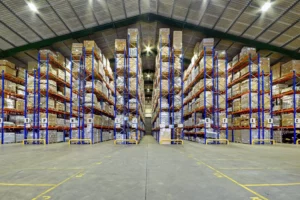
Automation is reshaping the logistics landscape by minimizing labor costs and maximizing operational efficiency. Automated guided vehicles (AGVs), robotic arms, and automated storage and retrieval systems (AS/RS) are enabling warehouses to process orders faster with minimal human intervention. These systems reduce errors, optimize storage space, and allow for 24/7 operation, ultimately cutting overhead costs.

Additionally, warehouse management systems (WMS) integrated with artificial intelligence (AI) are improving inventory accuracy and enabling predictive analytics. By forecasting demand more effectively, companies can reduce the need for excessive stock, freeing up space and cutting storage expenses. IoT sensors can monitor equipment performance, track inventory conditions, and send alerts when maintenance is needed, reducing downtime and ensuring smooth warehouse operations.
Logistics

  1. Micro-Fulfillment Centers

Micro-fulfillment centers (MFCs) are small, strategically located warehouses designed to serve urban and suburban areas. These centers significantly reduce the distance between the warehouse and the end consumer, cutting down transportation costs and delivery times.

Equipped with automation technology, MFCs can handle high-order volumes in smaller spaces, making them a cost-effective solution for businesses aiming to cater to last-mile delivery demands. Retailers like Walmart and Amazon are already adopting this model to enhance efficiency and customer satisfaction.

  1. Blockchain for Supply Chain Transparency

Blockchain technology is revolutionizing how logistics providers track shipments and manage inventory. By providing real-time, tamper-proof data, blockchain enhances transparency across the supply chain. This innovation helps businesses identify inefficiencies, reduce waste, and improve accountability.

For instance, blockchain can streamline the auditing process, ensuring that goods are stored and transported under optimal conditions. This reduces losses from damaged or spoiled goods, cutting costs for warehousing and shipping.

  1. Drones and Autonomous Delivery Vehicles

The adoption of drones and autonomous vehicles is another game-changer in logistics. Drones are increasingly being used for inventory management within warehouses, as they can quickly scan barcodes and RFID tags in hard-to-reach areas.

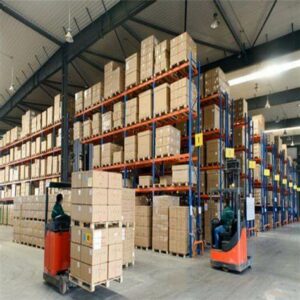
For deliveries, autonomous vehicles can reduce labor costs and increase efficiency. Companies like UPS and FedEx are already experimenting with autonomous delivery trucks and drones, which promise to cut transportation expenses and alleviate the challenges of driver shortages.
Logistics

  1. Dynamic Route Optimization

Shipping companies are leveraging AI and machine learning to optimize delivery routes in real time. These systems analyze traffic patterns, weather conditions, and delivery priorities to find the most efficient paths. By reducing fuel consumption and delivery times, businesses can significantly lower logistics costs. Dynamic route optimization also supports more sustainable practices, helping companies reduce their carbon footprint while cutting expenses. This level of transparency builds trust and enhances the overall delivery experience, giving companies a competitive edge in the market.

  1. On-Demand Warehousing

On-demand warehousing platforms, often referred to as the “Airbnb of warehousing,” are becoming increasingly popular. These platforms connect businesses with unused storage space in real-time, providing flexible, cost-effective warehousing solutions. Rather than committing to long-term leases for large facilities, companies can scale their storage needs up or down based on demand. This is particularly useful for seasonal businesses or those experiencing fluctuating inventory levels.

  1. Sustainability in Logistics

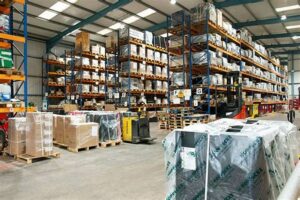
Sustainability is no longer just a buzzword; it’s a critical component of modern logistics. Green warehousing solutions, such as energy-efficient buildings, solar-powered facilities, and recyclable packaging, are helping companies reduce operational costs while meeting environmental                      goals. Additionally, eco-friendly shipping options, like electric delivery trucks and carbon-neutral shipping programs, are becoming more accessible and cost-effective. These initiatives not only lower costs but also improve brand reputation among environmentally conscious consumers.
Logistics

  1. Predictive Analytics and AI-Driven Insights

Predictive analytics is enabling logistics providers to anticipate demand surges, optimize inventory levels, and reduce excess stock. AI-driven insights allow companies to better allocate resources and minimize costs associated with overstocking or understocking. By harnessing big data, businesses can identify trends, improve decision-making, and streamline operations, leading to significant cost savings in both warehousing and shipping.

     Conclusion

The future of logistics is undeniably driven by innovation. From automation and AI to blockchain and sustainability, these advanced warehouse solutions for shipping are enabling businesses to enhance efficiency and reduce costs. As technology continues to evolve, companies that embrace these innovations will be better positioned to meet the demands of a fast-paced, competitive market.

By staying ahead of these trends, logistics providers can not only reduce costs but also deliver better value to their customers, ensuring long-term success in an ever-changing industry.


How Automation Drives Logistics Cost Savings in Warehousing

In today’s competitive market, businesses are constantly seeking ways to optimize operations and reduce costs. One of the most effective strategies is embracing automation in warehousing. By integrating advanced technology, companies can streamline workflows, enhance accuracy, and significantly cut expenses. Here’s how automation drives logistics cost savings in warehousing.

Automation

  1. Reduced Labor Costs

Labor is one of the largest expenses in warehousing. Automation minimizes reliance on manual labor by taking over repetitive and time-consuming tasks like picking, packing, and sorting. Technologies such as robotic picking systems and automated guided vehicles (AGVs) can:

  • Reduce the need for additional staff during peak periods.
  • Lower overtime costs by operating 24/7.
  • Improve efficiency, enabling workers to focus on higher-value tasks.

With automated systems, businesses save on wages, training, and turnover costs while increasing overall productivity.

  1. Improved Accuracy and Reduced Errors

Errors in inventory management and order fulfillment can lead to costly returns, dissatisfied customers, and wasted resources. Automated systems, such as barcode scanners, RFID technology, and warehouse management systems (WMS), improve accuracy by:

  • Eliminating human errors during inventory tracking.
  • Ensuring precise order picking and packing.
  • Providing real-time visibility into stock levels.

Fewer errors mean lower costs associated with returns, re-shipping, and inventory write-offs.

  1. Enhanced Space Utilization

Efficient use of warehouse space can significantly impact costs. Automated storage and retrieval systems (AS/RS) make it possible to store more inventory in less space by utilizing vertical storage. Benefits include:

  • Reduced need for additional warehouse space or expansions.
  • Better organization, allowing for faster access to inventory.
  • Lower utility and maintenance costs by optimizing the existing facility.

Maximizing storage efficiency means businesses can handle more volume without incurring additional overhead.

Automation

  1. Faster Order Fulfillment

Speed is essential in modern warehousing, especially for e-commerce businesses where quick order processing is a competitive advantage. Automation accelerates fulfillment by:

  • Using conveyor systems to move goods swiftly between zones.
  • Deploying robotic picking systems to retrieve items faster than manual labor.
  • Integrating WMS for real-time coordination of picking, packing, and shipping tasks.

Faster order fulfillment reduces lead times, improving customer satisfaction and minimizing penalties for missed deadlines.

  1. Lower Equipment and Maintenance Costs

Automated systems are designed for durability and efficiency, often requiring less maintenance than traditional manual equipment. For instance:

  • Robotic systems have lower wear-and-tear compared to forklifts operated by humans.
  • Predictive maintenance technology helps identify issues before they become costly repairs.
  • Automation reduces the need for duplicate equipment by optimizing workflows.

This leads to long-term savings on equipment purchase, maintenance, and downtime.

  1. Energy Efficiency and Sustainability

Automation can also contribute to energy savings by optimizing resource usage. For example:

  • Automated lighting and climate control systems adjust based on real-time activity, reducing energy costs.
  • Electric-powered robots and conveyors are more energy-efficient than traditional machinery.
  • Improved efficiency reduces waste, helping businesses meet sustainability goals while cutting costs.

By aligning with energy-saving initiatives, companies can reduce operating expenses and enhance their green credentials.

Automation

  1. Scalable Solutions for Future Growth

Investing in automation provides scalability, allowing businesses to grow without proportional increases in costs. Modular automation solutions can expand as needed, supporting higher order volumes or more complex workflows without requiring a complete overhaul. This scalability ensures:

  • Cost-effective handling of seasonal demand spikes.
  • Flexibility to adapt to changing business needs.
  • Long-term ROI by avoiding frequent infrastructure changes.

 Conclusion

Automation is revolutionizing warehousing by providing significant cost-saving opportunities while improving efficiency and accuracy. From reducing labor costs and minimizing errors to maximizing space utilization and accelerating order fulfillment, automated solutions help businesses remain competitive in an ever-evolving logistics landscape. By investing in automation, companies not only save money but also position themselves for sustainable growth, meeting customer demands with speed and precision. The future of warehousing lies in leveraging technology—and the savings it brings are too compelling to ignore.

The Importance of Warehouse Layout Optimization

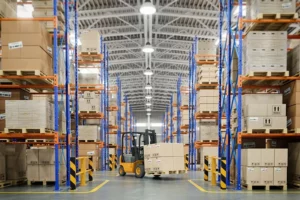
In logistics and supply chain management, an efficient warehouse layout is critical for productivity. A well-planned layout boosts workflow, cuts down picking time, and leads to faster order fulfillment, ultimately enhancing customer satisfaction. Here’s why optimizing your warehouse layout matters and how it can improve your operations:

warehouse layout optimization

     1. Improving Workflow Efficiency

An optimized layout makes it easier for goods and staff to move around. Key factors include:

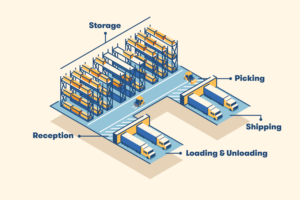
Zoning: Organizing the warehouse into zones (like receiving, storage, picking, packing, and shipping) helps group related activities, cutting                  down unnecessary movement.
 Strategic Stock Placement: Placing high-demand items near the shipping area reduces the time it takes to pick and pack them.
Clear Pathways: Wide, uncluttered aisles improve traffic flow and reduce accidents.
By improving the workflow, you can reduce delays and allow staff to focus on more important tasks.

  1. Reducing Picking Time

Picking is often the most time-consuming task in a warehouse, but an optimized layout can significantly cut down on picking time. Here’s how:

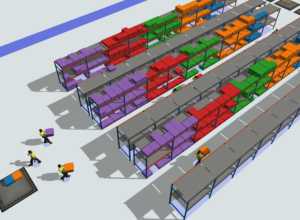
  • Batch Picking: Organizing products in a way that allows for batch picking—where multiple orders are picked simultaneously—can save time and effort.
  • ABC Classification: Utilizing the ABC analysis method, where items are categorized based on their sales volume, helps place high-velocity items in easily accessible locations.
  • Pick-to-Light Systems: Implementing technology like pick-to-light systems can guide pickers directly to the items they need, further speeding up the process. By reducing picking time, warehouses can increase order accuracy and throughput, leading to happier customers.

warehouse layout optimization

  1. Utilizing Vertical Space

Many warehouses underestimate the potential of vertical space. By optimizing vertical storage, businesses can:

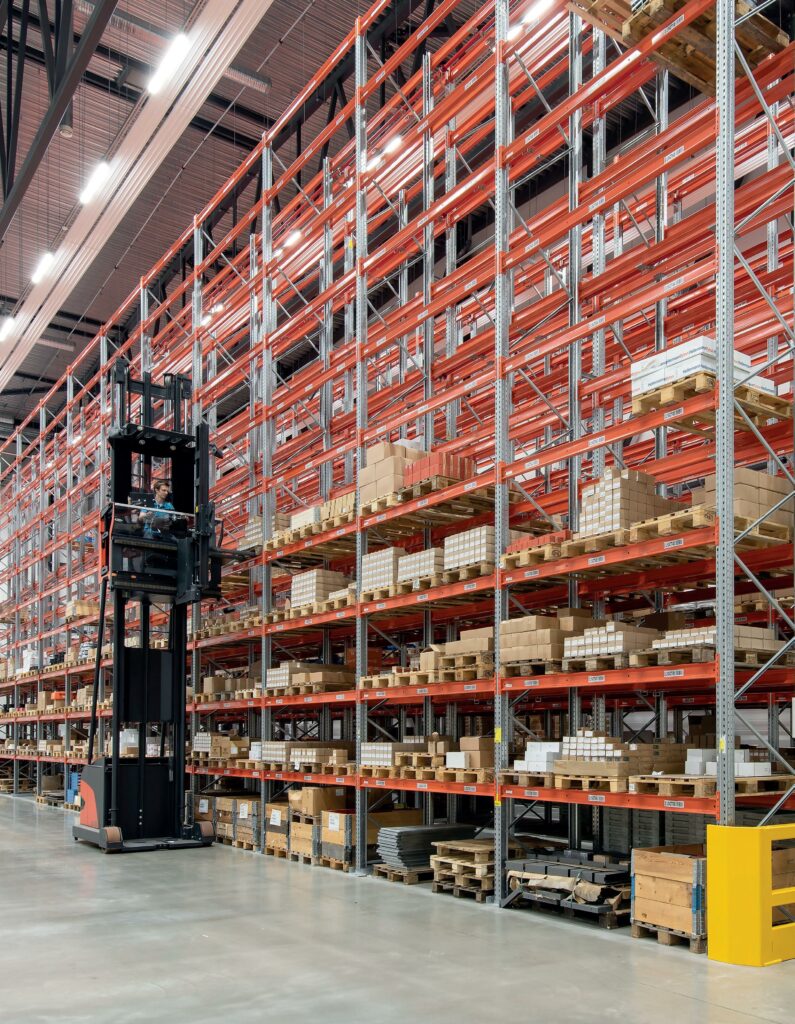
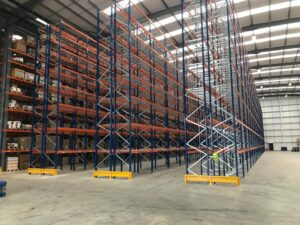
  • Maximize Storage Capacity: High shelving units and racking systems can create additional storage levels without expanding the warehouse footprint.
  • Facilitate Easy Access: Designing layouts that allow easy access to upper shelves through the use of lifts or automated retrieval systems ensures that all inventory is accessible when needed.

Optimizing vertical space can lead to improved inventory management and reduced operational costs.

  1. Incorporating Technology

Integrating technology into warehouse layout design can further enhance efficiency:

  • Automated Systems: Implementing automated storage and retrieval systems (AS/RS) can optimize space and reduce human error.
  • Warehouse Management Software (WMS): Using WMS to analyze and adjust layout based on real-time data can help identify the best configurations for peak efficiency.
  • Mobile Devices: Equipping staff with mobile devices for inventory tracking can reduce delays and improve real-time communication.

Technology can play a crucial role in maximizing the benefits of a well-designed warehouse layout.

  1. Flexibility and Scalability

An optimized warehouse layout should also account for future growth and changes in operations:

  • Modular Design: Creating a flexible layout that can be easily adjusted or expanded will help accommodate changes in inventory, product lines, or order volumes.
  • Future-Proofing: Planning for potential technological integrations or changes in customer demands ensures that the layout remains relevant and efficient over time.  A flexible warehouse layout can adapt to the evolving needs of the business, maintaining efficiency as conditions change.warehouse layout optimization

Conclusion

Optimizing your warehouse layout is key to running an efficient warehouse. It improves workflow, reduces picking time, makes the best use of space, and prepares you for future growth. A well-designed warehouse not only boosts productivity but also enhances service levels and customer satisfaction, setting your business up for long-term success. Investing in layout optimization is a smart move with lasting benefits.