Turning Peak Season Challenges into Growth Opportunities

Every challenge is an opportunity in disguise — especially in logistics. Peak season logistics challenges may be stressful, but they push businesses to innovate, optimize, and strengthen their operational capabilities.
Turning Peak Season

Identifying Seasonal Logistics Trends

The first step to overcoming peak season logistics challenges is recognizing recurring demand patterns. Whether it’s festive sales, agricultural harvests, or e-commerce surges, each season brings unique supply chain pressures. Analyzing data helps businesses forecast demand accurately, plan the right stock mix, and adjust warehouse layouts and delivery strategies for efficiency.

Enhancing Operational Efficiency During Peak Season

To manage logistics challenges effectively, companies must streamline inbound and outbound operations. Techniques like batch picking, cross-docking, and automated labeling reduce turnaround time and maintain flow. Training staff in peak season protocols also ensures accuracy and consistency during high-demand periods.

Turning Peak Season

Technology-Driven Solutions for Peak Season Logistics

Automation is key to overcoming peak season logistics challenges. Advanced Warehouse Management Systems (WMS), AI forecasting, and IoT-enabled tracking provide real-time visibility. This allows managers to make quick, data-driven decisions and maintain service quality even when volumes spike.

Customer-Centric Logistics Approach

Customer satisfaction lies at the heart of successful peak season logistics. Transparent communication, accurate tracking, and on-time deliveries turn temporary buyers into loyal partners. A customer-first approach ensures trust and reliability even when demand surges.

Turning Peak Season

Sustainability and Preparedness

Sustainability adds long-term strength to logistics operations. Optimizing transport routes, using eco-friendly packaging, and reducing fuel usage help businesses balance efficiency with environmental responsibility.

Conclusion

Businesses that tackle peak season logistics challenges with foresight, technology, and agility transform pressure into progress — achieving growth, trust, and lasting success.
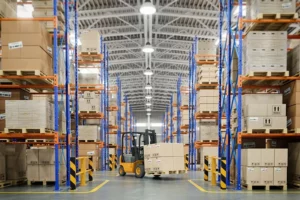

Our Capacity and Resources for Your Seasonal Needs

Seasonal Warehousing Capacity and Resources for Your Business Needs

When peak season hits, businesses need more than promises — they need partners with the seasonal warehousing capacity, technology, and expertise to manage the rush. A warehouse prepared for seasonal demand ensures consistency, reliability, and customer trust. At Akash Storage & Distribution Services Pvt. Ltd., we combine infrastructure, trained manpower, and innovation to deliver seamless seasonal operations.

Seasonal Warehousing Capacity

Expanding Seasonal Warehousing Capacity Strategically

Peak periods require planned and scalable growth. Whether through additional storage zones, modular racking systems, or temporary facilities, seasonal warehousing capacity should increase in proportion to market demand. Strategic expansion prevents congestion and chaos, ensuring a smooth inflow and outflow of goods during high-demand cycles.

Manpower Strength and Training for Seasonal Operations

Behind every efficient warehouse is a well-trained and adaptable team. During seasonal spikes, having manpower aligned with seasonal warehousing operations makes all the difference. Cross-functional training, pre-season orientation, and hands-on supervision help new hires integrate smoothly and maintain productivity even under pressure.

Seasonal Warehousing Capacity

Technology and Automation for Seasonal Warehousing Efficiency

Automation is the silent driver of efficient seasonal warehouse management. Conveyor systems, barcode scanners, and WMS automation reduce manual dependency and increase processing speed. Cloud-based tracking systems give management and clients 24/7 visibility, ensuring accuracy and transparency throughout the supply chain.

Building Reliable Transport and Vendor Partnerships

Seasonal warehousing capacity depends on collaboration beyond the warehouse. Strong partnerships with transporters and suppliers guarantee timely deliveries. By aligning schedules, routes, and vehicle capacity, we maintain smooth last-mile operations even in peak periods.

Seasonal Warehousing Capacity

Commitment to Consistency and Preparedness

At Akash Storage, we believe seasonal warehousing efficiency is built on preparation, not improvisation. Our infrastructure, systems, and skilled workforce ensure business continuity and reliability — even during the busiest seasons of the year.

Why Warehousing Flexibility is Key During Peak Seasons

Flexibility in warehousing is no longer a luxury — it’s a necessity, especially during peak seasons. As consumer demands shift rapidly, companies that embrace warehouse flexibility gain a clear competitive edge. A flexible warehousing strategy ensures your operations stay efficient, scalable, and responsive, even when order volumes surge unexpectedly.

Warehousing Flexibility

The Role of Flexibility in Modern Warehousing

During high-demand periods, orders can double or even triple overnight. Without warehouse flexibility, rigid systems can quickly collapse under pressure. Flexible warehousing operations allow for quick adjustments in space, staffing, and resource allocation — keeping productivity high and errors low during unpredictable surges.

Scalable and Flexible Space Solutions

At the heart of flexibility in warehousing lies scalability. Businesses can take advantage of variable storage solutions, such as short-term rental spaces for overflow inventory or partnerships with 3PL providers offering on-demand capacity. This ensures you never run out of room when seasonal inventory peaks.

Warehousing Flexibility

Dynamic and Flexible Workforce Management

Seasonal adaptability isn’t just about space — it’s also about people. Employing temporary workers or automating repetitive processes can keep warehouse operations steady. Pre-peak training ensures your workforce can quickly adjust to changing logistics requirements.

Technology Driving Flexibility in Warehousing

Advanced warehouse management systems (WMS), robotics, and AI-powered forecasting tools provide the agility to respond instantly to changes. Predictive analytics minimizes both overstocking and stockouts, keeping supply chains smooth.

Warehousing Flexibility

Collaborative and Responsive Logistics

A flexible warehouse thrives on collaboration — with carriers, suppliers, and clients. Sharing real-time data allows everyone in the chain to make faster, informed decisions. This adaptability turns challenges into opportunities for better service delivery.

Conclusion

Flexibility in warehousing ensures continuity, efficiency, and customer satisfaction. In an era where expectations and order volumes fluctuate constantly, warehouse adaptability defines success. Being ready to scale up, optimize resources, and pivot quickly makes your warehouse not just functional — but truly future-ready.

Preparing for High Demand Periods with Efficient Warehousing

Efficient Warehousing: Preparing for High-Demand Periods

When the calendar shifts toward peak seasons, businesses brace themselves for increased orders, tighter deadlines, and heightened customer expectations. Efficient warehousing becomes the key to staying ahead. The difference between thriving and merely surviving during these high-demand periods often comes down to how well your warehouse operations are managed.

Efficient Warehousing

The Need for Proactive Warehouse Planning

Efficient warehousing begins with proactive planning. Preparation should start long before the first surge in orders. Forecasting plays a crucial role — analyzing historical sales data, studying market trends, and anticipating customer behavior helps businesses allocate the right space, manpower, and resources. A well-prepared warehouse doesn’t just react; it anticipates demand.

Optimized Space Utilization for Efficient Warehousing

Peak season efficiency depends heavily on optimized warehouse space utilization. Every rack, shelf, and bin must be strategically organized. Techniques like. Dynamic slotting techniques — placing fast-moving products closer to dispatch areas — can drastically reduce travel time, improve picking accuracy, and support overall efficient warehousing.

Efficient Warehousing

Manpower and Shift Planning

A strong workforce planning is another critical pillar. of warehouse efficiency. Cross-training employees for multiple tasks such as picking, packing, and labeling ensures flexibility. During rush periods, shift overlaps and extended hours must be managed smartly to prevent fatigue while maintaining productivity.

Leveraging Technology for Efficient Warehousing

Technology provides a powerful edge. Real-time inventory visibility through Warehouse Management Systems (WMS), barcode scanning, and RFID tagging enhances data accuracy and reduces bottlenecks. These tools enable managers to respond instantly to changes and ensure smooth, efficient warehouse operations.

Efficient Warehousing

Collaboration Across the Supply Chain

Finally, Efficient warehousing thrives on collaboration. Coordination with transporters, suppliers, and customers builds a synchronized supply chain. Pre-season communication and planning meetings ensure all stakeholders align to delivery timelines.

In essence, efficient warehousing during high-demand periods isn’t just about storage — it’s about strategy, speed, and seamless coordination. When your warehouse runs like a well-oiled machine, seasonal challenges turn into opportunities for sustainable growth.

Moving freight is a tough task that needs experience and expertise

While, many companies choose to have its own fleet of trucks for moving freight and load, it can prove to be expensive as a whole for the company. This is because buying a fleet of trucks, maintaining it, hiring numerous staff for its smooth operation, having technicians available round the clock, getting approval and licenses, designing logistic routes, maintaining smooth process, meeting deadlines, and so on, can not only increase the operational costs of the company, but can also prove to be a burden in the long run.

Read More

Our experts at Akash Warehousing Company will consult with you

At Akash Warehousing Company, We not only provide customized storage solutions that aligns with your business, but also provide a range of other warehousing services, which includes fulfillment, returns management, packaging, specialty wrapping, transportation, logistic support, customized logistic process, supply chain management, distribution, inventory control, door-to-door transport, pick and pack operations, cross dock distribution, labeling, temperature controlled storage solutions, food grade facilities, and so on.

Read More