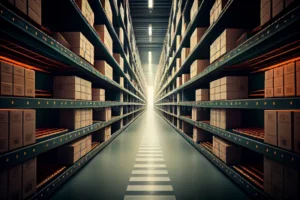
The Future of 3PL in India: Akash Storage’s Smart and Scalable Vision

India’s logistics industry is changing fast. Businesses now expect quick deliveries, reliable storage, and smooth supply chain support. As e-commerce, manufacturing, and retail grow, third-party logistics providers must also improve. The future of 3PL in India depends on smart systems, efficient operations, and strong partnerships. Akash Storage is preparing for this change with a clear and practical approach.
Future of 3PL in India

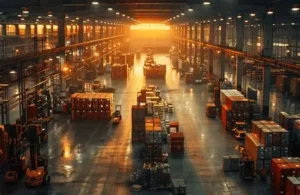
Digital Transformation Driving the Future of 3PL in India

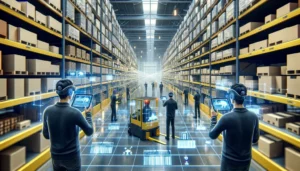
First, technology plays an important role in modern logistics. Akash Storage uses automation, real-time tracking, and digital inventory systems to improve accuracy. As a result, manual work is reduced, and processes become faster. Also, easy dashboards allow customers to view stock levels and delivery updates at any time. This improves transparency and trust.

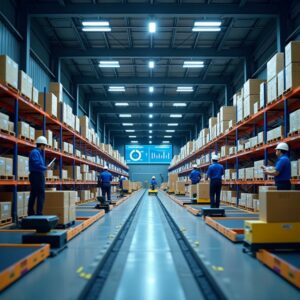
Faster and Smarter Warehousing

Next, customers expect speed and consistency. To meet this demand, Akash Storage invests in smart warehousing solutions. These systems improve picking, packing, and dispatch activities. Therefore, delays are reduced, and order flow becomes smoother. In addition, better planning helps maintain high service quality across operations.
Future of 3PL in India

Customer-Centric 3PL Services

Every business has different needs. Because of this, Akash Storage offers flexible logistics solutions for e-commerce, FMCG, chemicals, and industrial goods. Moreover, clear communication and dedicated support help resolve issues quickly. As a result, customers enjoy reliable service and long-term cooperation.

Green Logistics for Sustainable Growth

Sustainability is now a key part of modern supply chains. Therefore, Akash Storage focuses on reducing waste, improving route planning, and using energy-efficient warehouse practices. Also, these steps help lower operating costs over time. Thus, responsible logistics supports both business growth and environmental care.
Future of 3PL in India

The Road Ahead for 3PL in India

Finally, India’s logistics sector has strong growth potential. With technology, transparency, and customer trust, Akash Storage aims to support businesses at every stage. In conclusion, the company is building a supply chain that is efficient, reliable, and ready for the years ahead.
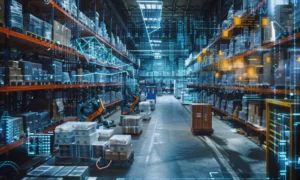

Building a Future-Ready Business: Our Plans for 2025 and Beyond

A future-ready logistics strategy for 2025 is essential for businesses that want to grow in a fast-changing market. As customer expectations rise and competition increases, logistics companies must adopt smarter systems, cleaner operations, and stronger relationships. Therefore, our focus is on building a flexible, technology-driven, and sustainable logistics model that supports long-term success.

Future-Ready
Technology That Drives Progress

To support our future-ready logistics strategy for 2025, we are upgrading our systems to work faster and smarter. Automation, digital dashboards, and real-time data help reduce errors and improve accuracy. Moreover, these digital tools allow us to respond quickly and deliver reliable service to our customers.

Smarter and Cleaner Operations

Sustainability is a key part of our future-ready logistics strategy for 2025. By using energy efficiently and reducing waste, we create cleaner and more cost-effective operations. In addition, sustainable practices help us meet regulatory needs and support environmental responsibility.
Future-Ready

Stronger Customer Relationships

Strong communication is essential in modern logistics. Therefore, we are improving our service methods to respond faster and more clearly. Transparency and trust remain the foundation of our customer relationships. As a result, better communication helps us understand customer needs and provide dependable support.

 A Team That Grows With Us

A future-ready business needs a skilled team. Hence, our employees receive regular training in new technologies, soft skills, and efficient workflows. This approach ensures our team grows together and stays prepared for future logistics demands.

Planning for Uncertainty

Although the future is unpredictable, preparation makes a difference. We continuously track industry trends, improve processes, and remain flexible. Consequently, this mindset helps us handle challenges while identifying new growth opportunities.
Future-Ready

Conclusion

In conclusion, our future-ready logistics strategy for 2025 combines modern technology, sustainable operations, skilled people, and customer-focused services. By planning ahead and staying adaptable, we are building a stronger logistics foundation that supports long-term success.

Digital-First Business Strategy for 2025 and Long-Term Growth

A digital-first business strategy helps companies stay competitive. Today, markets change fast. Therefore, businesses must act quickly and plan well. Our digital-first business strategy for 2025 focuses on speed, clarity, and customer trust. As a result, we build strong systems for long-term growth.

2025

Adopting a Digital-First Business Strategy

A strong digital-first business strategy starts with technology. We use digital platforms to reduce errors and improve visibility. In addition, real-time data helps teams take quick action. Because of this, daily work becomes smoother and more accurate.

Enhancing Customer Experience with a Digital-First Business Strategy

Customer satisfaction drives our digital-first business strategy. Therefore, we improve communication and share faster updates. Also, consistent service builds confidence. As a result, customers feel supported at every step.

2025

Quality and Consistency in a Digital-First Business Strategy

Quality plays a key role in our digital-first business strategy. We follow clear workflows and use smart tools. Moreover, regular checks help maintain standards. Because of this, we deliver reliable service every time.

Supporting Sustainable Growth Through a Digital-First Business Strategy

A responsible digital-first business strategy supports sustainable growth. We save energy and reduce waste. In addition, we use resources wisely. As a result, our operations remain efficient and eco-friendly.

2025

Preparing for Market Changes Using a Digital-First Business Strategy

Markets often shift without warning. Therefore, our digital-first business strategy focuses on flexibility. We study trends and improve processes. As a result, we stay ready for change and remain competitive.

Conclusion

In conclusion, our digital-first business strategy for 2025 focuses on technology, quality, and trust. Moreover, it supports sustainability and growth. With clear goals and strong systems, we move forward with confidence.

Future-Ready Business Strategy for 2025 and Beyond

The business environment is changing faster than ever. Therefore, companies must plan carefully to stay competitive. With this in mind, we have created a future-ready business strategy for 2025 and beyond. This strategy helps us stay focused, make better decisions, and grow in a sustainable way.

Future

A Clear Vision for the Future

First of all, having a clear vision is essential. Our roadmap for 2025 defines where we want to go and how we will get there. As a result, every decision aligns with our long-term goals. This clarity allows us to adapt quickly while staying focused on growth and stability.

Technology-Led Efficiency

In addition, technology plays a major role in our future plans. We are adopting smart tools that reduce manual work and improve accuracy. For example, digital systems help us respond faster and maintain consistency. Because of these upgrades, our operations become more efficient and reliable
Future

Customer First Approach

At the same time, customer expectations continue to rise. Therefore, we are strengthening our service channels and improving communication. By offering faster responses and personalized support, we aim to build long-term trust. Ultimately, better customer experiences lead to stronger relationships.

A Strong Team for a Strong Future

Equally important, our people are our greatest strength. We are investing in regular training, leadership development, and digital skills. As a result, our team feels confident and prepared for future challenges. A skilled workforce supports innovation and consistent service quality.

Smarter, Greener Operations

Moreover, sustainability is a key priority. We are improving energy usage, managing waste more effectively, and adopting eco-friendly processes. These steps not only reduce environmental impact but also improve operational efficiency.

Conclusion

In conclusion, our future-ready business strategy for 2025 is simple and focused. We aim to stay updated, remain customer-centric, and commit to quality. With the right technology, people, and mindset, we are well prepared for the future.

How We’re Preparing for 2025 & Beyond Future Ready Strategy for Growth

The logistics industry is changing fast, and businesses must prepare early. A future-ready logistics strategy is essential to meet rising customer expectations, faster delivery cycles, and growing competition. As we move toward 2025 and beyond, companies need smarter systems, strong partnerships, and sustainable operations to stay ahead. Therefore, planning today will help ensure long-term success tomorrow.

Building a Strong Digital Foundation

To begin with, 2025 will demand quicker decisions and better visibility. A future-ready logistics strategy starts with strong digital systems. We are upgrading dashboards, automating reports, and using real-time data. As a result, teams can respond faster and reduce errors. Moreover, digital tools reduce manual work and improve accuracy across operations.
Strategy
Investing in Smarter Technology

In addition, technology plays a key role in a future-ready logistics strategy. Automation tools help speed up daily processes and minimize mistakes. For example, smart systems improve order tracking and inventory control. Consequently, teams work more efficiently, and customers receive better service. Over time, technology will continue to support scalable growth.

Strengthening Customer Partnerships

Equally important, strong relationships are the backbone of a future-ready logistics strategy. Customers expect clear communication and reliable service. Hence, we are improving response times and creating dedicated support channels. This approach builds trust and encourages long-term partnerships based on transparency.

Strategy

Building a Skilled and Agile Team

Finally, people drive success. A future-ready logistics strategy depends on a skilled and adaptable workforce. We are training teams in digital tools, communication, and problem-solving. This helps them handle change confidently and deliver better results.

Strategy

Conclusion

In conclusion, preparing for 2025 requires clear planning and bold action. By adopting a future-ready logistics strategy, businesses can achieve smarter operations, stronger partnerships, and sustainable growth. Ultimately, the focus is on building systems and teams that are ready for the future.

Building a Strong Future for Warehousing and Logistics in India

Artical

Warehousing and logistics in India are changing fast. Demand is rising every year. At the same time, customers expect faster and safer deliveries. Therefore, logistics companies must improve systems and processes. A strong future depends on better infrastructure, skilled people, and sustainable practices.

Modern Infrastructure for Faster Operations

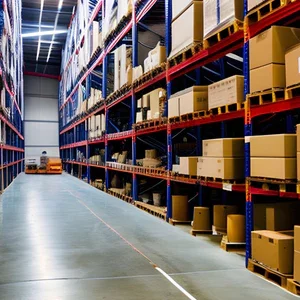
First of all, modern infrastructure is essential. New warehouses now have high ceilings and wide layouts. As a result, they support bulk storage and smooth movement. In addition, safety systems help reduce risks at work.

Digital platforms also play a major role. They track inventory in real time. Therefore, companies can reduce errors and delays. Moreover, smart layouts help teams work faster. With these changes, warehouses can handle more volume with ease.

Warehousing

Skilled Workforce Driving Efficiency

Equally important, a skilled workforce drives efficiency. Logistics companies now train teams in safety rules and digital tools. As a result, workers make fewer mistakes. They also complete tasks faster.

Moreover, trained staff adapt easily to new technology. This helps companies stay flexible. Therefore, people remain the backbone of warehousing operations, even as automation grows.

Sustainability in Warehousing and Logistics

Sustainability is now a key focus in warehousing and logistics in India. Many companies use eco-friendly packaging. This helps reduce waste. In addition, solar-powered warehouses cut energy use.

Optimized transport routes also lower fuel consumption. As a result, emissions reduce and costs go down. Therefore, green practices support both the environment and business goals.

Collaborative Partnerships for Growth

Strong partnerships help logistics operations run better. For example, clear communication improves planning. As a result, delays reduce and costs stay under control.

Moreover, long-term partnerships build trust. This leads to smoother workflows. Therefore, collaboration supports stable growth for both logistics providers and clients.

A Future Focused on Innovation

In conclusion, the future of warehousing and logistics in India looks promising. Companies that invest in people, systems, and sustainability will lead the market. Moreover, innovation and teamwork will drive progress. As a result, the industry will become more efficient, reliable, and ready for growth.

Akash Storage Unveils Sustainability Roadmap for the Future of 3PL

News
Sustainable 3PL logistics in India is becoming a major focus for the logistics industry, and Akash Storage has taken a strong step in this direction. The company has released a new sustainability roadmap as part of its long-term vision for the future of third-party logistics in the country. This roadmap clearly outlines how Akash Storage plans to reduce its environmental impact while continuing to deliver reliable services to customers.

The sustainability roadmap focuses on lowering the carbon footprint across all warehouse operations. Akash Storage plans to optimize transport routes to reduce fuel usage and emissions. By using smarter route planning and better fleet management, the company aims to improve delivery efficiency while cutting down unnecessary travel. These efforts will help reduce emissions .Sustainable

News

Energy efficiency is another key area of focus. Akash Storage will upgrade warehouses with energy-efficient systems such as LED lighting, improved insulation, and better energy monitoring tools. These changes will reduce power consumption and support long-term cost savings. The company also plans to improve energy management practices to track and control usage more effectively.

Eco-friendly operations form an important part of the roadmap. Akash Storage will work on waste reduction through better sorting and recycling processes. Smarter packaging solutions will help reduce material usage and limit waste generation. These steps will support greener warehouse operations and align with growing customer expectations for sustainable logistics.

Industry analysts have welcomed this move, especially as the logistics sector remains a major contributor to carbon emissions. Many experts believe that sustainability will soon become a core requirement for all logistics providers in India. Companies that act early will gain trust and long-term value.

Looking ahead, Akash Storage confirmed that its next phase of growth will balance expansion with environmental responsibility. The company remains committed to maintaining high service standards while building a more sustainable future for 3PL logistics in India.

On-Demand Warehousing Trends: Flexible Storage for Modern Businesses

Introduction

On-demand warehousing is becoming essential for businesses that need flexible and cost-effective storage. Today, demand changes quickly due to seasonal sales, market trends, and customer expectations. As a result, companies prefer storage solutions that can scale up or down easily. This growing need has led to the rapid adoption of on-demand warehousing in modern logistics.
On-demand
Flexible Space Solutions

On-demand warehousing allows businesses to rent warehouse space only when required. Instead of long-term contracts, companies can choose short-term storage based on demand. Therefore, they avoid paying for unused space. This model is especially useful for small and medium businesses, as it helps them manage inventory without heavy investment.

Shared Warehousing Saves Cost

In addition, shared on-demand warehousing enables multiple businesses to use the same facility. They share space, labor, and equipment. As a result, operational costs are reduced, and resources are used more efficiently. Moreover, this shared model improves sustainability by minimizing waste.
On-demand

Technology Simplifies Operations

Technology plays a major role in on-demand warehousing. Digital platforms connect warehouse owners with businesses looking for temporary storage. These platforms provide instant pricing, easy booking, and real-time inventory tracking. Consequently, paperwork is reduced, and operations become faster and more transparent.

Faster Expansion for E-Commerce

E-commerce companies often face sudden spikes in demand during festivals and sale seasons. On-demand warehousing helps them store extra inventory closer to customers. This not only improves delivery speed but also enhances customer satisfaction. Furthermore, businesses can expand into new locations without setting up permanent warehouses.
On-demand
Conclusion

In conclusion, on-demand warehousing is transforming the logistics industry. It offers flexibility, cost savings, and faster scalability. Most importantly, it helps businesses stay agile in today’s unpredictable market. As demand continues to shift, on-demand warehousing will remain a key solution for growth.

Akash Storage Announces Tech-Driven Vision for the Future of 3PL in India

News
The Future of 3PL in India: Akash Storage’s Vision

The future of 3PL in India is changing fast. Today, businesses expect quick and reliable logistics. Therefore, Akash Storage is focusing on simple, smart, and efficient solutions.

First, technology drives the future of 3PL in India. Akash Storage uses real-time inventory tracking. As a result, customers can check stock at any time. In addition, digital documents reduce paperwork. This saves time and lowers errors.

Future of 3PL in India

Next, Akash Storage is expanding its warehouse network across India. Because of this, goods move faster. Also, delivery time becomes shorter. These warehouses support e-commerce, FMCG, manufacturing, and chemical companies. Therefore, clients can serve more markets with ease.

Automation also improves daily work. For example, smart systems plan routes and manage space. As a result, teams work faster and with better accuracy. Moreover, fewer manual tasks reduce delays.

Transparency remains a top priority. Therefore, Akash Storage shares real-time updates. This keeps customers informed at every step. As a result, trust grows and partnerships last longer.

In addition, sustainability plays an important role. Better space use reduces waste. Likewise, planned routes cut fuel use. Because of this, operations become more eco-friendly.

In conclusion, Akash Storage aims to build a strong and flexible logistics system. By combining technology, skilled teams, and modern warehouses, the company supports the future of 3PL in India. Ultimately, businesses benefit from logistics that are simple, reliable, and efficient.

Sustainable Warehousing: The Future of Eco-Friendly Logistics

Why Sustainability Matters

Sustainable warehousing and logistics are becoming important for every business. Today, customers prefer eco-friendly companies. At the same time, businesses want to reduce costs and waste. Because of this, warehouses are moving toward greener and cleaner operations.

In addition, sustainability helps companies follow environmental rules. It also improves brand trust. As a result, green practices are no longer optional.

Warehousing

Energy-Efficient Infrastructure

Energy use is a major concern in sustainable logistics. Many modern warehouses now use solar panels. They also install LED lights to save power. Smart energy systems control lighting and cooling automatically.

Because of these changes, electricity use goes down. At the same time, carbon emissions are reduced. Therefore, energy-efficient infrastructure supports both savings and sustainability.

Electric Transport and EV Fleets

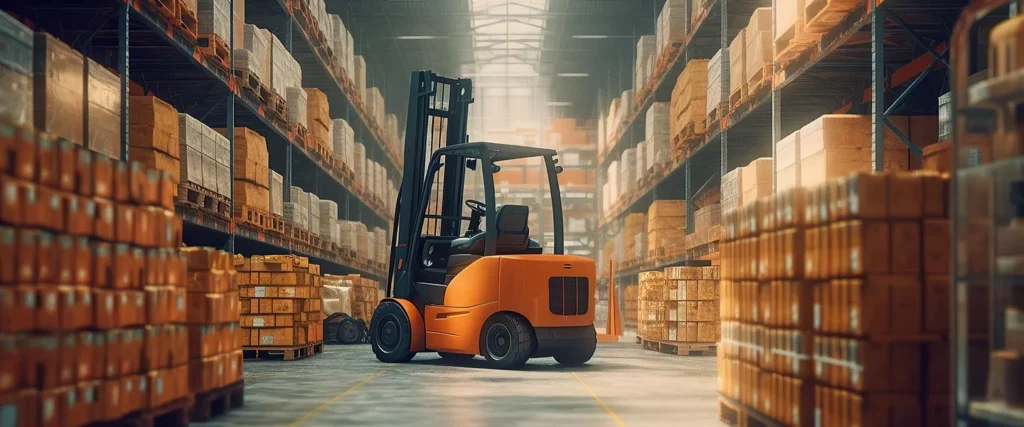
Electric vehicles are changing warehousing and logistics. Many warehouses now use electric forklifts. Delivery companies are also adding electric vans to their fleets.

As a result, air pollution is reduced. Noise levels are lower as well. Over time, companies save money on fuel and maintenance. Most importantly, electric transport improves workplace safety.

Warehousing

Recycling and Waste Reduction

Waste management is a key part of sustainable logistics. Warehouses use recyclable packaging and reusable pallets. Many facilities also separate waste properly. Because of this, landfill waste is reduced. In addition, recycling helps companies build a positive image. Customers trust brands that care about the environment.

Smart Planning for Lower Emissions

Smart tools support sustainable warehousing by improving planning. Route optimization software reduces travel distance. Predictive tools also avoid empty trips. As a result, fuel use goes down. Delivery times improve as well. Therefore, smart planning saves time and protects the environment.

Warehousing

Conclusion

The future of warehousing and logistics is clean and efficient. Green energy, electric transport, and smart planning are key drivers. By adopting these solutions, companies reduce impact and improve performance.