Robotics in Warehousing: Automation Trends Changing Logistics

Introduction

Robotics in warehousing is rapidly transforming the logistics industry. Today, warehouses must handle high order volumes with speed and precision. As a result, many businesses are adopting robotic solutions to improve accuracy, boost efficiency, and reduce physical strain on workers. Robotics in warehousing helps companies stay competitive in an increasingly demanding market.
Robotics

Automated Picking Systems

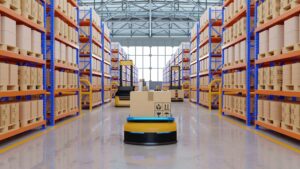
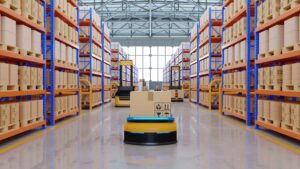
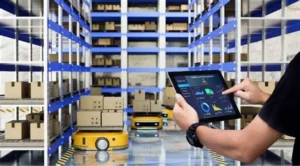
Robotics in warehousing has significantly improved picking operations. Automated picking robots can identify products quickly and pick items with high accuracy. Therefore, errors in order fulfillment are reduced. During peak seasons, these robotic systems help warehouses process more orders without delays, ensuring faster dispatch and better customer satisfaction.

Sorting and Packing Robots

In addition, sorting and packing robots play a key role in robotics in warehousing. Automated sorting systems can organize thousands of items in minutes. Meanwhile, packing robots ensure uniform packaging and reduce material waste. As a result, warehouses achieve better efficiency while lowering operational costs. Moreover, these systems reduce repetitive tasks for human workers.
RoboticsCollaborative Robots (Cobots)

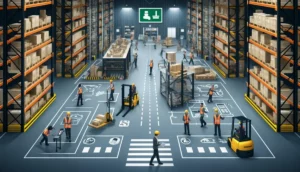
Another important part of robotics in warehousing is the use of collaborative robots, or cobots. Cobots work alongside human staff rather than replacing them. They assist with lifting, scanning, and transportation tasks. Consequently, workplace safety improves, and employees can focus on skilled and decision-based work.

Robotics in Last-Mile Delivery

Furthermore, robotics in warehousing is extending into last-mile delivery. Drones and autonomous delivery robots are being tested in many cities. These solutions help reduce delivery time and operate efficiently even in congested traffic. Therefore, logistics companies can offer faster and more reliable deliveries.
RoboticsConclusion

In conclusion, robotics in warehousing is no longer just a trend—it is a necessity for modern logistics. It improves speed, accuracy, and safety while reducing costs. Most importantly, companies that invest in robotics in warehousing early will gain long-term operational advantages and stronger customer satisfaction.

On-Demand Warehousing Trends: Flexible Storage for Modern Businesses

Introduction

On-demand warehousing is becoming essential for businesses that need flexible and cost-effective storage. Today, demand changes quickly due to seasonal sales, market trends, and customer expectations. As a result, companies prefer storage solutions that can scale up or down easily. This growing need has led to the rapid adoption of on-demand warehousing in modern logistics.
On-demand
Flexible Space Solutions

On-demand warehousing allows businesses to rent warehouse space only when required. Instead of long-term contracts, companies can choose short-term storage based on demand. Therefore, they avoid paying for unused space. This model is especially useful for small and medium businesses, as it helps them manage inventory without heavy investment.

Shared Warehousing Saves Cost

In addition, shared on-demand warehousing enables multiple businesses to use the same facility. They share space, labor, and equipment. As a result, operational costs are reduced, and resources are used more efficiently. Moreover, this shared model improves sustainability by minimizing waste.
On-demand

Technology Simplifies Operations

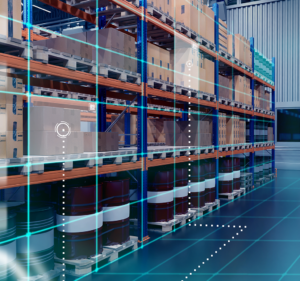
Technology plays a major role in on-demand warehousing. Digital platforms connect warehouse owners with businesses looking for temporary storage. These platforms provide instant pricing, easy booking, and real-time inventory tracking. Consequently, paperwork is reduced, and operations become faster and more transparent.

Faster Expansion for E-Commerce

E-commerce companies often face sudden spikes in demand during festivals and sale seasons. On-demand warehousing helps them store extra inventory closer to customers. This not only improves delivery speed but also enhances customer satisfaction. Furthermore, businesses can expand into new locations without setting up permanent warehouses.
On-demand
Conclusion

In conclusion, on-demand warehousing is transforming the logistics industry. It offers flexibility, cost savings, and faster scalability. Most importantly, it helps businesses stay agile in today’s unpredictable market. As demand continues to shift, on-demand warehousing will remain a key solution for growth.

Top Sustainability Trends in Logistics: Green Future of Warehousing

Introduction

Sustainability trends in logistics are becoming a major focus for warehouses and logistics companies. Today, brands want to reduce their carbon footprint. At the same time, they must maintain service quality. Because of this, the industry is moving toward greener and smarter practices. These sustainability trends in logistics are shaping the future of supply chains.
SustainabilityGreen Warehousing Practices

One of the most important sustainability trends in logistics is green warehousing. Warehouses are now using solar panels to generate clean energy. In addition, many facilities use LED lighting to cut power use. Rainwater harvesting systems also help save water. As a result, companies lower energy bills and reduce environmental impact.

Moreover, warehouses are redesigning buildings. Better airflow reduces heat inside facilities. Therefore, cooling costs drop and working conditions improve. These changes support both efficiency and sustainability.

Electric and Hybrid Fleet Adoption

Another key part of sustainability trends in logistics is cleaner transportation. Companies are shifting to electric and hybrid delivery vehicles. These vehicles produce fewer emissions. They also cost less to maintain over time.

Because of this, businesses reduce fuel expenses and pollution. In addition, electric fleets help companies meet government rules. As a result, brands improve compliance and public image.
SustainabilityEco-Friendly Packaging Solutions

Sustainable packaging is also growing fast. As part of sustainability trends in logistics, warehouses now use recycled materials. Many companies also use reusable containers. This helps reduce waste and plastic use.

Furthermore, customers prefer brands with eco-friendly packaging. Therefore, sustainable packaging improves trust and brand value.

Reverse Logistics Improvements

Returns play a big role in modern logistics. Because of this, reverse logistics is improving. Companies repair products and reuse parts when possible. As a result, fewer items go to landfills.

In addition, better return handling improves customer satisfaction. This makes reverse logistics an important part of sustainability trends in logistics.
SustainabilityConclusion

In conclusion, sustainability trends in logistics are here to stay. Green warehousing, electric fleets, eco-friendly packaging, and reverse logistics are leading the change. Companies that adopt these trends will gain customer trust. Ultimately, sustainable logistics creates long-term value for both businesses and the environment.

Smart Warehousing Trends 2025: Automation, Data & Efficiency

Introduction

Smart warehousing trends in 2025 are changing the warehousing and logistics industry. Today, fast delivery needs, global supply chain shifts, and higher customer demands are pushing companies to upgrade their systems. As a result, smart warehousing is no longer a choice. Instead, it has become a key part of modern logistics operations.

Automation

Automation Becomes the Standard

One of the most important smart warehousing trends in 2025 is automation. Earlier, automation was seen as an upgrade. However, today it is a basic requirement. Automated guided vehicles, robotic arms, and conveyor belts help teams work faster. Moreover, these systems improve safety and reduce mistakes. As a result, warehouses can run smoothly every day with fewer delays.

AI Improves Decision-Making

Another major part of smart warehousing trends in 2025 is Artificial Intelligence. AI tools study inventory movement and demand patterns. Therefore, managers can plan stock better. In addition, AI helps optimize delivery routes. This reduces travel time and fuel costs. As a result, companies improve delivery speed and lower operating expenses.

Automation

Real-Time Tracking for Complete Visibility

Real-time tracking is also shaping smart warehousing trends in 2025. IoT sensors and RFID tags track goods at every stage. Because of this, inventory data stays accurate. Also, delays are easier to avoid. At the same time, customers can track orders in real time. This builds trust and improves service quality.

Data-Driven Warehouse Planning

Data plays a strong role in smart warehousing trends in 2025. Warehouses use data to plan layouts and manage space better. For example, data helps handle peak demand during festive seasons. In addition, it reduces waste and improves stock control. As a result, warehouses operate more efficiently.

Automation

Conclusion

In conclusion, smart warehousing trends in 2025 will reshape logistics operations. Companies that use automation, AI, real-time tracking, and data will stay ahead. Therefore, the future belongs to warehouses that are intelligent, flexible, and data-driven. By adopting these smart warehousing trends in 2025, businesses can achieve faster growth and better customer satisfaction.

Akash Storage Announces Tech-Driven Vision for the Future of 3PL in India

News
The Future of 3PL in India: Akash Storage’s Vision

The future of 3PL in India is changing fast. Today, businesses expect quick and reliable logistics. Therefore, Akash Storage is focusing on simple, smart, and efficient solutions.

First, technology drives the future of 3PL in India. Akash Storage uses real-time inventory tracking. As a result, customers can check stock at any time. In addition, digital documents reduce paperwork. This saves time and lowers errors.

Future of 3PL in India

Next, Akash Storage is expanding its warehouse network across India. Because of this, goods move faster. Also, delivery time becomes shorter. These warehouses support e-commerce, FMCG, manufacturing, and chemical companies. Therefore, clients can serve more markets with ease.

Automation also improves daily work. For example, smart systems plan routes and manage space. As a result, teams work faster and with better accuracy. Moreover, fewer manual tasks reduce delays.

Transparency remains a top priority. Therefore, Akash Storage shares real-time updates. This keeps customers informed at every step. As a result, trust grows and partnerships last longer.

In addition, sustainability plays an important role. Better space use reduces waste. Likewise, planned routes cut fuel use. Because of this, operations become more eco-friendly.

In conclusion, Akash Storage aims to build a strong and flexible logistics system. By combining technology, skilled teams, and modern warehouses, the company supports the future of 3PL in India. Ultimately, businesses benefit from logistics that are simple, reliable, and efficient.

Sustainable Warehousing: The Future of Eco-Friendly Logistics

Why Sustainability Matters

Sustainable warehousing and logistics are becoming important for every business. Today, customers prefer eco-friendly companies. At the same time, businesses want to reduce costs and waste. Because of this, warehouses are moving toward greener and cleaner operations.

In addition, sustainability helps companies follow environmental rules. It also improves brand trust. As a result, green practices are no longer optional.

Warehousing

Energy-Efficient Infrastructure

Energy use is a major concern in sustainable logistics. Many modern warehouses now use solar panels. They also install LED lights to save power. Smart energy systems control lighting and cooling automatically.

Because of these changes, electricity use goes down. At the same time, carbon emissions are reduced. Therefore, energy-efficient infrastructure supports both savings and sustainability.

Electric Transport and EV Fleets

Electric vehicles are changing warehousing and logistics. Many warehouses now use electric forklifts. Delivery companies are also adding electric vans to their fleets.

As a result, air pollution is reduced. Noise levels are lower as well. Over time, companies save money on fuel and maintenance. Most importantly, electric transport improves workplace safety.

Warehousing

Recycling and Waste Reduction

Waste management is a key part of sustainable logistics. Warehouses use recyclable packaging and reusable pallets. Many facilities also separate waste properly. Because of this, landfill waste is reduced. In addition, recycling helps companies build a positive image. Customers trust brands that care about the environment.

Smart Planning for Lower Emissions

Smart tools support sustainable warehousing by improving planning. Route optimization software reduces travel distance. Predictive tools also avoid empty trips. As a result, fuel use goes down. Delivery times improve as well. Therefore, smart planning saves time and protects the environment.

Warehousing

Conclusion

The future of warehousing and logistics is clean and efficient. Green energy, electric transport, and smart planning are key drivers. By adopting these solutions, companies reduce impact and improve performance.

Akash Storage Boosts India’s 3PL with Real-Time Tracking

News

Akash Storage real-time tracking in India marks an important step in digital logistics. Akash Storage has launched a new real-time tracking system to improve efficiency and transparency across its 3PL operations. This upgrade supports businesses that need fast, accurate, and reliable supply chain visibility.

real-time trackingFirst of all, the new system gives customers full visibility. Clients can check inventory levels at any time. They can also track shipment status and warehouse movement. All information appears on a single digital dashboard.

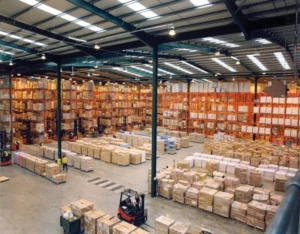
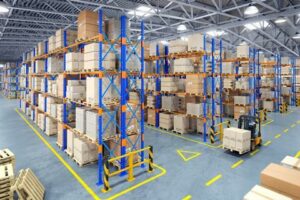
As a result, planning becomes easier. Businesses can avoid delays. They can also respond quickly to demand changes. Because of this, confidence in logistics operations increases.

Moreover, Akash Storage real-time tracking in India improves daily warehouse operations. Teams can monitor goods movement inside the facility. If an issue appears, they can act early.

Therefore, errors reduce. Accuracy improves. Operations become smoother and faster. This leads to better service quality for customers.

Moreover, Akash Storage real-time tracking in India improves daily warehouse operations. Teams can monitor goods movement inside the facility. If an issue appears, they can act early.

Therefore, errors reduce. Accuracy improves. Operations become smoother and faster. This leads to better service quality for customers.

Furthermore, Akash Storage shared that this launch supports its long-term strategy. The company aims to build a smarter and more reliable 3PL network in India.

Along with tracking tools, Akash Storage continues to invest in digital systems. These systems improve transparency and trust. They also support data-based decisions.

How Technology Will Shape the Future of Warehousing and Logistics

Technology is changing logistics. It is the biggest game-changer today. Now, companies use smart tools to work faster. As a result, errors reduce and planning improves.

Today, customer demand is rising. Because of this, logistics teams must act quickly. So, technology helps them stay ready and competitive.

Technology

AI and Data Analytics Improve Planning

First, AI helps predict demand. It studies past sales. Then, it shows what customers may need next.

As a result, companies plan inventory better. In addition, data analytics cuts waste. So, costs reduce and profits improve. Overall, better data leads to better decisions.

IoT Enables Real-Time Monitoring

Next, IoT devices track goods in real time. For example, they monitor temperature and weight. This is useful for food, chemicals, and healthcare.

Because of this, teams spot problems early. Then, they can act fast. As a result, safety and control improve.

Robotics and Automation Increase Speed

Meanwhile, robots handle picking and packing. So, workers face less load. At the same time, accuracy improves.

In addition, automated forklifts move goods safely. Therefore, warehouses run smoothly and faster.

Smarter Last-Mile Delivery

Finally, delivery is also changing. Now, companies use drones and electric vehicles. Also, smart routes save time.

Because of this, deliveries are faster. At the same time, fuel use drops. So, delivery becomes cleaner.

The Future of Logistics: Meeting Modern Customer Expectations

Customer Expectations Are Changing

Changing customer expectations in logistics are transforming how warehouses and supply chains operate. Today’s customers want fast delivery, clear tracking, and reliable service. Because of this, logistics companies must change the way they work to stay competitive.

Earlier, customers were willing to wait. However, expectations are now very different. Speed, accuracy, and transparency matter more than ever. As a result, warehousing and logistics operations are evolving quickly.
Future of Logistics

Faster Delivery Standards

First of all, customers expect quick delivery. Same-day and next-day delivery are becoming common demands. To meet this need, warehouses use automation and smart tools. These tools speed up picking, packing, and dispatch.

Moreover, faster processes reduce errors. This improves customer satisfaction. As delivery speed increases, companies gain a strong market advantage.
Future of Logistics

End-to-End Transparency

Next, transparency plays a key role in logistics success. Customers want to track orders in real time. They expect clear and regular updates.

Therefore, companies now use digital tracking systems. These systems send alerts and notifications. As a result, customers feel informed and confident. Businesses that offer full visibility stand out from competitors.

Hyper-Personalized Services

In addition, AI and data tools help companies understand customer behavior. Predictive systems show which products customers want and when they want them.

Because of this, warehouses can store the right products in the right location. This reduces delivery delays. It also supports smoother operations. Changing customer expectations in logistics make personalization a key success factor.
Future of Logistics

Focus on Quality and Reliability

However, speed alone is not enough. Customers also expect safe handling and consistent service. Damaged or delayed goods hurt trust.

For this reason, warehouses focus on quality checks and process control. Reliable service builds long-term customer relationships.

Conclusion

In conclusion, changing customer expectations in logistics are shaping the future of warehousing and delivery. Companies must focus on speed, transparency, personalization, and reliability. Those who adapt early will lead the next phase of logistics growth.

Reinventing Warehousing and Logistics for a Digital India

India’s warehousing and logistics sector is changing rapidly. Growth in e-commerce, manufacturing, and organized retail is increasing the demand for faster and more reliable supply chains. As a result, companies are now shifting toward digital systems that make operations smooth, efficient, and predictable.

Technology is becoming the backbone of modern warehousing. Digital platforms help manage inventory, monitor stock movement, and reduce delays. These systems also allow businesses to plan better and respond quickly to market demand.
Warehousing and Logistics
The Power of Automation

Automation is playing a major role in the future of logistics. Automated machines handle sorting, packing, and scanning tasks. This reduces manual errors and improves accuracy. In addition, automation saves time and increases warehouse productivity. As operations become faster, businesses can meet tight delivery timelines with ease.

Better Visibility and Transparency

End-to-end visibility is another key trend shaping the industry. Companies can now track shipments from the warehouse to the final delivery point. Real-time updates, digital reports, and instant alerts help businesses stay informed. As a result, decision-making becomes faster and more reliable.

Customized Solutions for Every Industry

Different industries have different storage and handling needs. Warehousing solutions are becoming more specialized. Facilities now offer customized storage for chemicals, food products, retail goods, and industrial materials. These tailored solutions improve safety, compliance, and efficiency.

Focusing on Customer Experience

Customer experience remains a top priority in digital logistics. Clear communication, regular updates, and on-time deliveries help build trust. When logistics runs smoothly, businesses can form long-term partnerships with their customers.

Overall, the future of warehousing in India is digital, transparent, and customer-focused. With smart technology and automation, the logistics sector is set to support India’s growing economy.